
The Setup: Perfect Performance, Terrible Timing
There’s a legendary piece over at Alpha Architect titled Even God Would Get Fired as an Active Investor. Catchy title. Disturbingly true.
Here’s the short version: researchers built a fictional portfolio where “God”—with perfect foresight—picked only the best-performing stocks over each five-year window from 1927 to 2016. Every rebalance, God bought the future top 10% of stocks. In a long-short version, He also shorted the worst 10%.
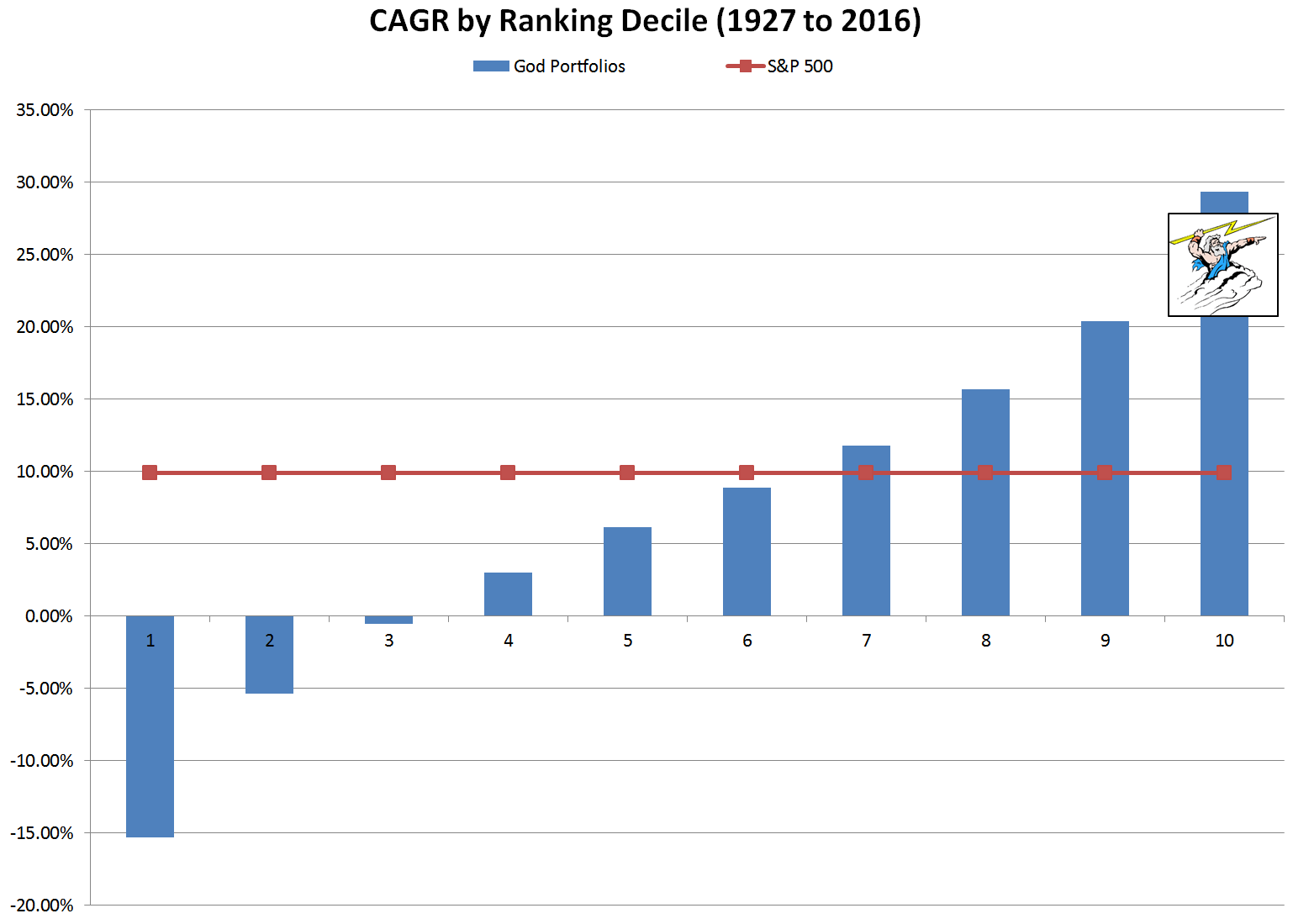
The results are hypothetical results and are NOT an indicator of future results and do NOT represent returns that any investor actually attained. In fact, these returns are EXPLICITLY IMPOSSIBLE TO ACHIEVE. Indexes are unmanaged, do not reflect management or trading fees, and one cannot invest directly in an index. Additional information regarding the construction of these results is available upon request. Note: these results were updated on 6/14/2017. [Source]
- The long-only “God portfolio” returned 29% annually
- The long-short version returned approximately 46% annually in the same 1927–2016 study
Why Most People Would Still Fire God
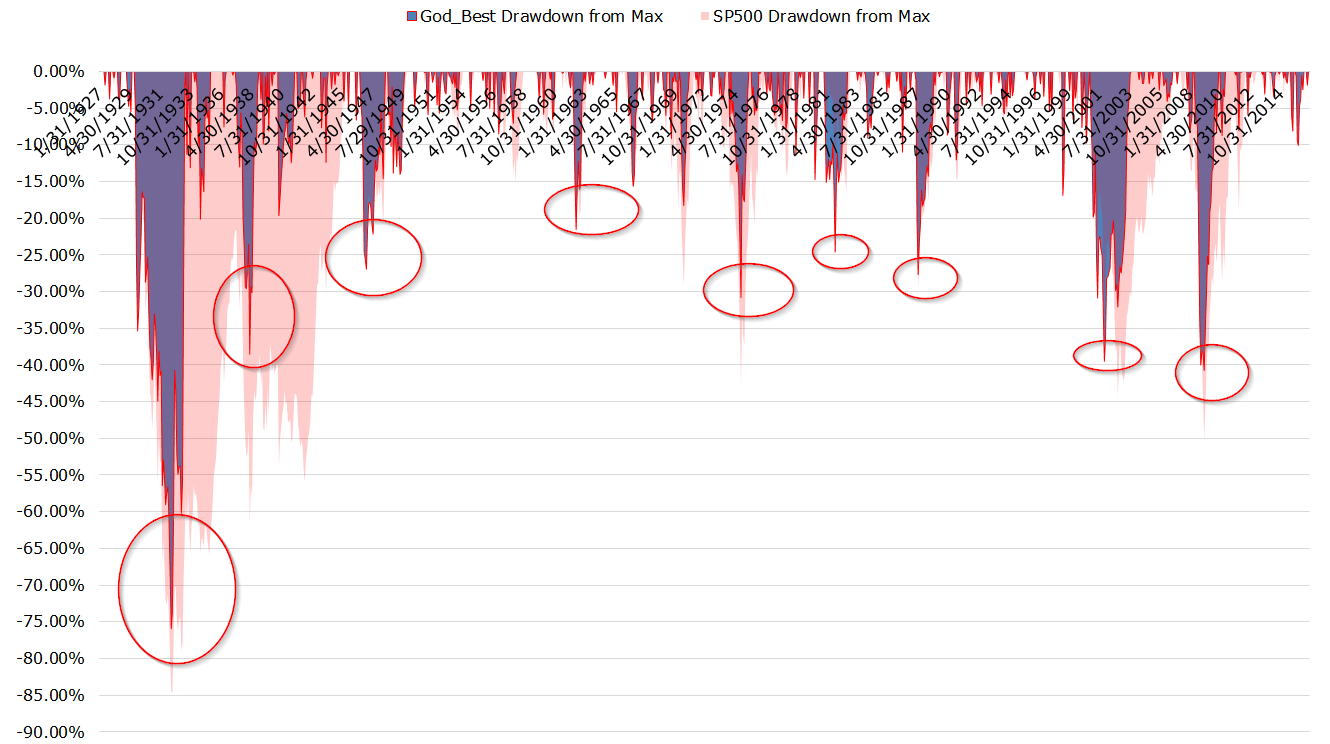
Even with perfect picks, the ride was a nightmare:
- Long-only drawdown: –76%
- Routine 20–40% dips, even when “right”
- The long-short strategy’s worst drawdown exceeded 47%
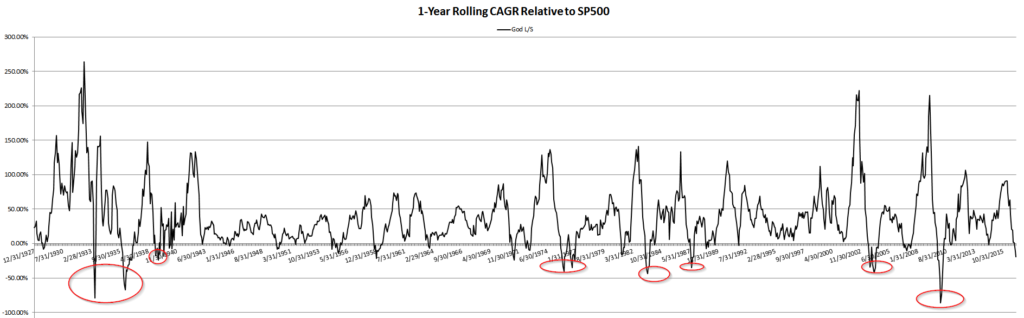
Perfect knowledge of the five-year winners did not eliminate severe interim losses. These are hypothetical, non-investable results, gross of trading costs, taxes, and fees.
Why This Matters (Especially If You’re a CRNA)
If you’re a CRNA, you’ve got a high-stress, high-stakes job. You don’t have time to check your portfolio hourly, and honestly, you shouldn’t. The Alpha Architect example illustrates that even perfect five-year stock selection can suffer severe losses and periods of underperformance. A sound strategy also needs a level of risk you can realistically tolerate.
A plan should account for market declines before they arrive. That means matching investments to your time horizon, spending needs, and ability to tolerate losses.
Want to understand how we align your investments with real-world behavior? Check out:
- Why the Games Should Stop With GameStop
- Direct Indexing for High-Income Investors
- Tax-Loss Harvesting for CRNAs: Turn Your Investment Lemons Into Tax Lemonade
The Big Lesson: Build a Strategy You Can Follow
The study illustrates the difficulty of judging a long-term strategy by short-term results. It does not establish that investment selection is unimportant or that every strategy deserves patience.
Frequent changes driven by recent performance can work against a long-term plan. We focus on:
- Owning the right things, in the right accounts
- Owning tax-efficient investments
- Keeping costs low
- Risk levels matched to your behavior, not a generic survey
And above all, a plan you can actually follow. Even in a storm.
The On Point CRNA Takeaway (i.e., What CRNAs Can Learn from the God Portfolio)
Even a strategy with extraordinary hypothetical returns can test an investor’s patience. Real portfolios need realistic expectations, diversification, and a plan for withdrawals.
I work with CRNAs to coordinate those decisions with their taxes, careers, and household goals, so the investment plan remains practical when markets change.
Read the full article here if you want your mind blown (or your ego humbled).
Want to see how those principles guide an actual client relationship? Read how we invest for CRNAs, then review services and pricing and our process. If you are still getting organized, start with the Free Checkup.
Frequently Asked Questions
Why is it so hard to stay invested when things go south?
Losses can make an agreed plan feel much harder to follow. The study’s hypothetical long-only portfolio lost about 76% at its worst despite perfect five-year stock selection. That illustrates why risk tolerance, liquidity, and expectations matter. It is not a reason to hold an unsuitable investment indefinitely.
What’s the biggest mistake I see CRNAs make with investing?
Letting short-term market headlines determine a long-term plan. Keep appropriate cash for emergencies and upcoming spending, then choose an investment approach suited to your goals, time horizon, and risk capacity.
Is active investing worth it if I want better returns?
The study does not settle the active-versus-passive question. It shows that even perfect five-year stock selection would not eliminate drawdowns or periods of underperformance. For a busy CRNA, a low-cost, diversified approach can be a practical starting point. Evaluate any active strategy’s fees, risks, process, and role in the overall plan.
I use a robo-advisor—why would I need more than that?
Automated investment services vary. Some provide tax-efficient investing, asset location, and access to human advisors. Our focus is coordinating your investments with CRNA contracts, taxes, student loans, and career decisions, with ongoing help implementing the plan.
I’ve been sitting in cash. How should I get started?
Start by separating emergency reserves and near-term spending from money you can invest for the long term. Then choose a diversified allocation and contribution plan that fit your circumstances. We help CRNAs work through those decisions and implement them.
Disclaimer:
Barnhart Wealth Management (DBA On Point CRNA) is a registered investment adviser offering services in Michigan and other jurisdictions exempt from registration. This content is for informational purposes only and does not constitute advisory services or sales of securities. All views, expressions, and opinions in this communication are subject to change. Investing involves risk, including loss of principal. Comments and recognitions do not guarantee future results.